数学家传记
布鲁克·泰勒 是一位英国数学家,他为数学增添了一个现在称为“有限差分演算”的新分支,发明了分部积分法,并发现了被称为布鲁克·泰勒展开式的著名公式。
布鲁克·泰勒的父亲是John Taylor,母亲是Olivia Tempest。John Taylor是Natheniel 泰勒的儿子,后者是科尔切斯特的记录官,也是奥利弗·克伦威尔议会中代表贝德福德郡的议员,而Olivia Tempest是Sir John Tempest的女儿。因此,泰勒出生在一个处于贵族边缘的家庭,当然他们相当富有。
泰勒成长在一个父亲以严格纪律管束的家庭中,但父亲是一位有文化修养的人,对绘画和音乐感兴趣。尽管John Taylor对儿子有一些负面影响,但也有一些正面影响,特别是让儿子爱上了音乐和绘画。泰勒长大后不仅成为一位有造诣的音乐家和画家,而且后来还将他的数学才能应用于这两个领域。
泰勒的家庭很富裕,能够为儿子聘请私人教师,事实上,这种家庭教育就是泰勒在1703年4月3日进入剑桥圣弗瑞兹·约翰学院之前所享受的全部教育。此时他在古典学和数学方面已有良好的基础。在剑桥,泰勒深深投入到数学中。他于1709年获得法学学士学位毕业,但此时他已经写了他的第一篇重要数学论文(在1708年),尽管它直到1714年才发表。我们从泰勒从本科时代起与约翰·梅钦和Keill的通信中,了解到一些关于他对各种数学问题思考的细节。
1712年,泰勒当选为皇家学会会士。这是在4月3日,显然这次当选更多是基于约翰·梅钦、Keill等人所了解的泰勒的专业知识,而不是基于他发表的研究成果。例如,泰勒在1712年写信给梅钦,提供了一个关于约翰内斯·开普勒行星运动第二定律问题的解答。同样在1712年,泰勒被任命为委员会成员,该委员会负责裁定艾萨克·牛顿还是哥特弗里德·威廉·莱布尼茨发明了微积分这一主张是否正确。
我们上面提到的写于1708年的论文于1714年发表在Philosophical Transactions of the Royal Society上。这篇论文给出了物体振动中心问题的解,并导致了与约翰·伯努利的优先权之争。我们将在下面稍微多谈一些关于泰勒和约翰·伯努利之间的争论。回到这篇论文,它是一篇力学论文,严重依赖于艾萨克·牛顿对微分学的方法。
1714年也是泰勒被选为皇家学会秘书的年份。泰勒从那年1月14日担任这一职位,直到1718年10月21日辞职,部分原因是健康问题,部分原因是他对这个相当苛刻的职位缺乏兴趣。泰勒担任皇家学会秘书的时期确实标志着他数学上最多产的时期。1715年出版的两本书,Methodus incrementorum directa et inversa和Linear Perspective,在数学史上极为重要。第一本书包含了现在被称为泰勒级数的内容,尽管直到1785年才以此闻名。第二版分别于1717年和1719年出版。我们将在下面详细讨论这些著作的内容。
泰勒多次访问法国。这些访问部分是为了健康原因,部分是为了拜访他在那里结交的朋友。他会见了皮耶·黑蒙·德蒙马特,并在返回后就各种数学主题与他通信。特别是他们讨论了无穷级数和probability。泰勒还就概率问题与亚伯拉罕·棣莫弗通信,有时这些数学家之间会进行三方讨论。
在1712年至1724年间,泰勒发表了十三篇文章,主题多样,包括描述毛细作用、磁性和温度计的实验。他描述了发现磁吸引定律的实验(1715年),以及通过给出计算对数的新方法来改进方程根的近似方法(1717年)。然而,他的生活从1721年左右开始遭遇一系列个人悲剧。那一年,他与来自萨里郡沃灵顿的Brydges小姐结婚。虽然她来自一个好家庭,但并不是一个有钱的家庭,泰勒的父亲强烈反对这桩婚事。结果是泰勒与父亲之间的关系破裂,父子之间直到1723年都没有联系。就在那一年,泰勒的妻子在分娩时去世。孩子,本应是他们的第一个孩子,也夭折了。
在失去妻子和孩子的悲剧之后,泰勒回到父亲身边生活,两人之间的关系得到了修复。两年后,即1725年,泰勒再次结婚,娶了来自肯特郡奥兰蒂的Sabetta Sawbridge。这桩婚姻得到了泰勒父亲的批准,他于四年后的1729年4月4日去世。泰勒继承了父亲的Bifons庄园,但进一步的悲剧降临,他的第二任妻子Sabetta在次年分娩时去世。这一次,孩子,一个女儿Elizabeth,活了下来。
泰勒为数学增添了一个现在称为“有限差分学”的新分支,发明了分部积分,并发现了著名的级数,称为泰勒展开。这些思想出现在他1715年的书Methodus incrementorum directa et inversa中,上面已提到。事实上,泰勒首次提到今天称为泰勒定理的某个版本,是在他1712年7月26日写给梅钦的一封信中。在这封信中,泰勒仔细解释了他从哪里得到这个想法。
据泰勒记载,这源于约翰·梅钦在Child's Coffeehouse的一次评论,当时他谈到用“艾萨克·牛顿爵士的级数”来解约翰内斯·开普勒的问题,以及用“爱德蒙·哈雷博士的求根法”来解多项式方程。事实上,1715年的论文中给出了泰勒定理的两个版本,对现代读者来说它们看起来等价,但[8]的作者令人信服地论证说,它们的动机不同。泰勒最初推导出作为命题11出现的版本,是作为爱德蒙·哈雷近似求解约翰内斯·开普勒方程根的方法的推广,但很快发现它是雅各布·伯努利级数的推论。这就是受上述咖啡馆谈话启发的版本。第二个版本作为命题7的推论2出现,被认为是将流数方程的解展开为无穷级数的一种方法。
我们绝不能给人这样的印象:这个结果是 泰勒 首先发现的。詹姆斯·格雷果里、艾萨克·牛顿、哥特弗里德·威廉·莱布尼茨、约翰·伯努利 和 亚伯拉罕·棣莫弗 都发现了 泰勒 定理的变体。例如,詹姆斯·格雷果里 知道
他的方法在 [13] 中讨论。艾萨克·牛顿 的 泰勒 级数思想与 詹姆斯·格雷果里 的思想之间的差异在 [15] 中讨论。所有这些数学家都是独立做出发现的,泰勒 的工作也独立于其他人的工作。泰勒 定理的重要性直到 1772 年才被认识到,当时 约瑟夫·拉格朗日 宣布它是微分学的基本原理。术语“泰勒 级数”似乎首次由 Lhuilier 在 1786 年使用。
你可以在THIS LINK看到更多关于泰勒级数的内容。
1715年的Methodus incrementorum directa et inversa中还包含其他一些重要想法,当时并未被认为重要。这些包括微分方程的奇解、变量替换公式,以及将函数的导数与反函数的导数联系起来的方法。书中还包含关于振动弦的讨论,这一兴趣几乎肯定来自泰勒早年对音乐的热爱。
泰勒在研究振动弦时,并不是试图建立运动方程,而是从摆的等时性角度考虑柔性弦的振动。他试图找到振动弦的形状和等时摆的长度,而不是找到它的运动方程。对这些思想的进一步讨论见[14]。
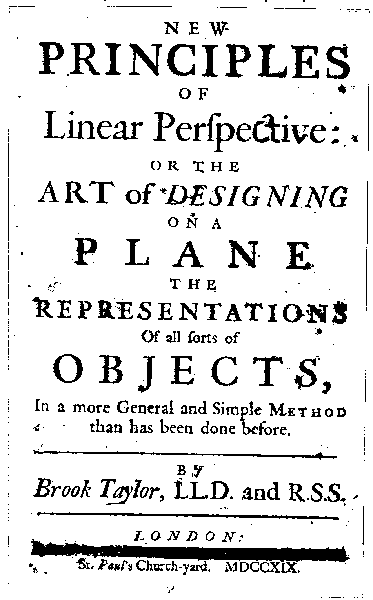
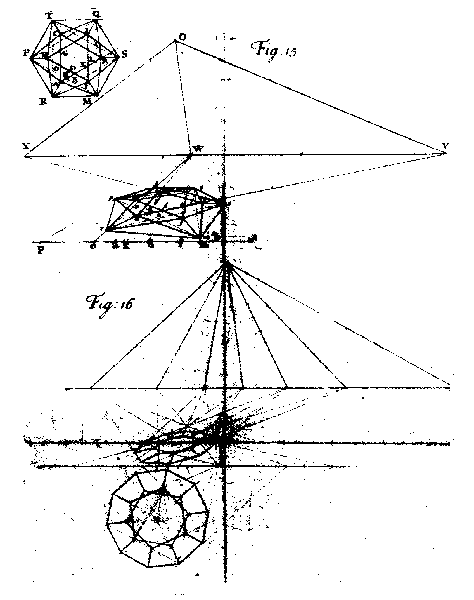
泰勒还在Linear Perspective(1715)中提出了透视法的基本原理。第二版标题不同,称为New principles of linear perspective。这部著作首次对消失点作了普遍处理。泰勒对这门学科采取了高度数学化的方法,对艺术家毫不迁就,而艺术家本应认为这些思想对他们至关重要。有时即使对数学家来说,也很难理解泰勒的结果。“线性透视”一词是泰勒在这部著作中发明的,他将不平行于画面的一条直线的消失点定义为:过眼睛且平行于给定直线的直线与画面的交点。他还将不平行于画面的给定平面的消失线定义为:过眼睛且平行于给定平面的平面与画面的交线。他没有发明消失点和消失线这两个术语,但他是最早强调其重要性的人之一。泰勒线性透视理论的主要定理是:不平行于画面的一条直线的投影通过其交点及其消失点。
还有一个有趣的反问题,即为了从艺术家所意图的视角观看图画而寻找眼睛的位置。泰勒并不是第一个讨论这个反问题的人,但他确实对此类透视问题的理论做出了创新性的贡献。人们当然可以把这项工作视为描述性几何与射影几何理论的基础。
泰勒向“非英国数学家”发起挑战,要求他们积分某个微分。必须将这一挑战视为牛顿派与莱布尼茨派之间争论的一部分。Conte在7中讨论了约翰·伯努利和法尼亚诺对泰勒挑战的回应。我们上文提到了约翰·伯努利与Taylor之间的争论。泰勒虽然并非在所有争论中都获胜,但肯定能在相当平等的条件下与约翰·伯努利辩论。Jones在1中描述了这些争论:-
他们在期刊上的辩论偶尔包含相当激烈的言辞,并且一度以五十几尼打赌。当约翰·伯努利在私人信件中建议他们以更有绅士风度的措辞进行辩论时,泰勒回复说,他有意显得尖锐,并要“表现出愤慨”。
Jones还在1中解释说,泰勒是一位远比许多人所认为的更为深刻的数学家:-
对泰勒生平与工作的研究揭示,他对数学发展的贡献远大于仅以一个定理冠以其名所暗示的程度。他的工作简洁而难以理解。他所触及、初步发展但未能进一步阐述的重要概念数量惊人,这令人遗憾地想到,健康、家庭忧虑与悲伤,或其他无法评估的因素,包括财富和父母的支配,限制了他相对短暂一生中数学上富有成果的部分。
Brook Taylor's father was John Taylor and his mother was Olivia Tempest. John Taylor was the son of Natheniel Taylor who was recorder of Colchester and a member representing Bedfordshire in Oliver Cromwell's Assembly, while Olivia Tempest was the daughter of Sir John Tempest. Brook was, therefore, born into a family which was on the fringes of the nobility and certainly they were fairly wealthy.
Taylor was brought up in a household where his father ruled as a strict disciplinarian, yet he was a man of culture with interests in painting and music. Although John Taylor had some negative influences on his son, he also had some positive ones, particularly giving his son a love of music and painting. Brook Taylor grew up not only to be an accomplished musician and painter, but he applied his mathematical skills to both these areas later in his life.
As Taylor's family were well off they could afford to have private tutors for their son and in fact this home education was all that Brook enjoyed before entering St John's College Cambridge on 3 April 1703. By this time he had a good grounding in classics and mathematics. At Cambridge Taylor became highly involved with mathematics. He graduated with an LL.B. in 1709 but by this time he had already written his first important mathematics paper (in 1708) although it would not be published until 1714. We know something of the details of Taylor thoughts on various mathematical problems from letters he exchanged with Machin and Keill beginning in his undergraduate years.
In 1712 Taylor was elected to the Royal Society. This was on the 3 April, and clearly it was an election based more on the expertise which Machin, Keill and others knew that Taylor had, rather than on his published results. For example Taylor wrote to Machin in 1712 providing a solution to a problem concerning Kepler's second law of planetary motion. Also in 1712 Taylor was appointed to the committee set up to adjudicate on whether the claim of Newton or of Leibniz to have invented the calculus was correct.
The paper we referred to above as being written in 1708 was published in the Philosophical Transactions of the Royal Society in 1714. The paper gives a solution to the problem of the centre of oscillation of a body, and it resulted in a priority dispute with Johann Bernoulli. We shall say a little more below about disputes between Taylor and Johann Bernoulli. Returning to the paper, it is a mechanics paper which rests heavily on Newton's approach to the differential calculus.
The year 1714 also marks the year in which Taylor was elected Secretary to the Royal Society. It was a position which Taylor held from 14 January of that year until 21 October 1718 when he resigned, partly for health reasons, partly due to his lack of interest in the rather demanding position. The period during which Taylor was Secretary to the Royal Society does mark what must be considered his most mathematically productive time. Two books which appeared in 1715, Methodus incrementorum directa et inversa and Linear Perspective are extremely important in the history of mathematics. The first of these books contains what is now known as the Taylor series, though it would only be known as this in 1785. Second editions would appear in 1717 and 1719 respectively. We discuss the content of these works in some detail below.
Taylor made several visits to France. These were made partly for health reasons and partly to visit the friends he had made there. He met Pierre Rémond de Montmort and corresponded with him on various mathematical topics after his return. In particular they discussed infinite series and probability. Taylor also corresponded with de Moivre on probability and at times there was a three-way discussion going on between these mathematicians.
Between 1712 and 1724 Taylor published thirteen articles on topics as diverse as describing experiments in capillary action, magnetism and thermometers. He gave an account of an experiment to discover the law of magnetic attraction (1715) and an improved method for approximating the roots of an equation by giving a new method for computing logarithms (1717). His life, however, suffered a series of personal tragedies beginning around 1721. In that year he married Miss Brydges from Wallington in Surrey. Although she was from a good family, it was not a family with money and Taylor's father strongly objected to the marriage. The result was that relations between Taylor and his father broke down and there was no contact between father and son until 1723. It was in that year that Taylor's wife died in childbirth. The child, which would have been their first, also died.
After the tragedy of losing his wife and child, Taylor returned to live with his father and relations between the two were repaired. Two years later, in 1725, Taylor married again to Sabetta Sawbridge from Olantigh in Kent. This marriage had the approval of Taylor's father who died four years later on 4 April 1729. Taylor inherited his father's estate of Bifons but further tragedy was to strike when his second wife Sabetta died in childbirth in the following year. On this occasion the child, a daughter Elizabeth, did survive.
Taylor added to mathematics a new branch now called the "calculus of finite differences", invented integration by parts, and discovered the celebrated series known as Taylor's expansion. These ideas appear in his book Methodus incrementorum directa et inversa of 1715 referred to above. In fact the first mention by Taylor of a version of what is today called Taylor's Theorem appears in a letter which he wrote to Machin on 26 July 1712. In this letter Taylor explains carefully where he got the idea from.
It was, wrote Taylor, due to a comment that Machin made in Child's Coffeehouse when he had commented on using "Sir Isaac Newton's series" to solve Kepler's problem, and also using "Dr Halley's method of extracting roots" of polynomial equations. There are, in fact, two versions of Taylor's Theorem given in the 1715 paper which to a modern reader look equivalent but which, the author of [8] argues convincingly, were differently motivated. Taylor initially derived the version which occurs as Proposition 11 as a generalisation of Halley's method of approximating roots of the Kepler equation, but soon discovered that it was a consequence of the Bernoulli series. This is the version which was inspired by the Coffeehouse conversation described above. The second version occurs as Corollary 2 to Proposition 7 and was thought of as a method of expanding solutions of fluxional equations in infinite series.
We must not give the impression that this result was one which Taylor was the first to discover. James Gregory, Newton, Leibniz, Johann Bernoulli and de Moivre had all discovered variants of Taylor's Theorem. Gregory, for example, knew that
and his methods are discussed in [13]. The differences in Newton's ideas of Taylor series and those of Gregory are discussed in [15]. All of these mathematicians had made their discoveries independently, and Taylor's work was also independent of that of the others. The importance of Taylor's Theorem remained unrecognised until 1772 when Lagrange proclaimed it the basic principle of the differential calculus. The term "Taylor's series" seems to have used for the first time by Lhuilier in 1786.
You can see more about Taylor's Series at THIS LINK.
There are other important ideas which are contained in the Methodus incrementorum directa et inversa of 1715 which were not recognised as important at the time. These include singular solutions to differential equations, a change of variables formula, and a way of relating the derivative of a function to the derivative of the inverse function. Also contained is a discussion on vibrating strings, an interest which almost certainly come from Taylor's early love of music.
Taylor, in his studies of vibrating strings was not attempting to establish equations of motion, but was considering the oscillation of a flexible string in terms of the isochrony of the pendulum. He tried to find the shape of the vibrating string and the length of the isochronous pendulum rather than to find its equations of motion. Further discussion of these ideas is given in [14].
Taylor also devised the basic principles of perspective in Linear Perspective (1715). The second edition has a different title, being called New principles of linear perspective. The work gives first general treatment of vanishing points. Taylor had a highly mathematical approach to the subject and made no concessions to artists who should have found the ideas of fundamental importance to them. At times it is very difficult for even a mathematician to understand Taylor's results. The phrase "linear perspective" was invented by Taylor in this work and he defined the vanishing point of a line, not parallel to the plane of the picture, as the point where a line through the eye parallel to the given line intersects the plane of the picture. He also defined the vanishing line to a given plane, not parallel to the plane of the picture, as the intersection of the plane through the eye parallel to the given plane. He did not invent the terms vanishing point and vanishing line, but he was one of the first to stress their importance. The main theorem in Taylor's theory of linear perspective is that the projection of a straight line not parallel to the plane of the picture passes through its intersection and its vanishing point.
There is also the interesting inverse problem which is to find the position of the eye in order to see the picture from the viewpoint that the artist intended. Taylor was not the first to discuss this inverse problem but he did make innovative contributions to the theory of such perspective problems. One could certainly consider this work as laying the foundations for the theory of descriptive and projective geometry.
Taylor challenged the "non-English mathematicians" to integrate a certain differential. One has to see this challenge as part of the argument between the Newtonians and the Leibnitzians. Conte in [7] discusses the answers given by Johann Bernoulli and Giulio Fagnano to Taylor's challenge. We mentioned above the arguments between Johann Bernoulli and Taylor. Taylor, although he did not win all the arguments, could certainly dispute with Johann Bernoulli on fairly equal terms. Jones describes these arguments in [1]:-
Their debates in journals occasionally included rather heated phrases and, at one time, a wager of fifty guineas. When Bernoulli suggested in a private letter that they couch their debate in more gentlemanly terms, Taylor replied that he meant to sound sharp and to "show an indignation".
Jones also explains in [1] that Taylor was a mathematician of far greater depth than many have given him credit for:-
A study of Brook Taylor's life and work reveals that his contribution to the development of mathematics was substantially greater than the attachment of his name to one theorem would suggest. His work was concise and hard to follow. The surprising number of major concepts that he touched upon, initially developed, but failed to elaborate further leads one to regret that health, family concerns and sadness, or other unassessable factors, including wealth and parental dominance, restricted the mathematically productive portion of his relatively short life.
正文里的方括号编号指向这里,悬停即可直接看到条目。书目保留原文——译了书名反而查不到文献。
原站列出的延伸阅读与外部数据库,照原样保留,目标多为英文页面。
关于布鲁克·泰勒的其它页面:
原站的交叉引用。指向本站已镜像专题的留在站内,其余仍指回原站。